 Meridian Palate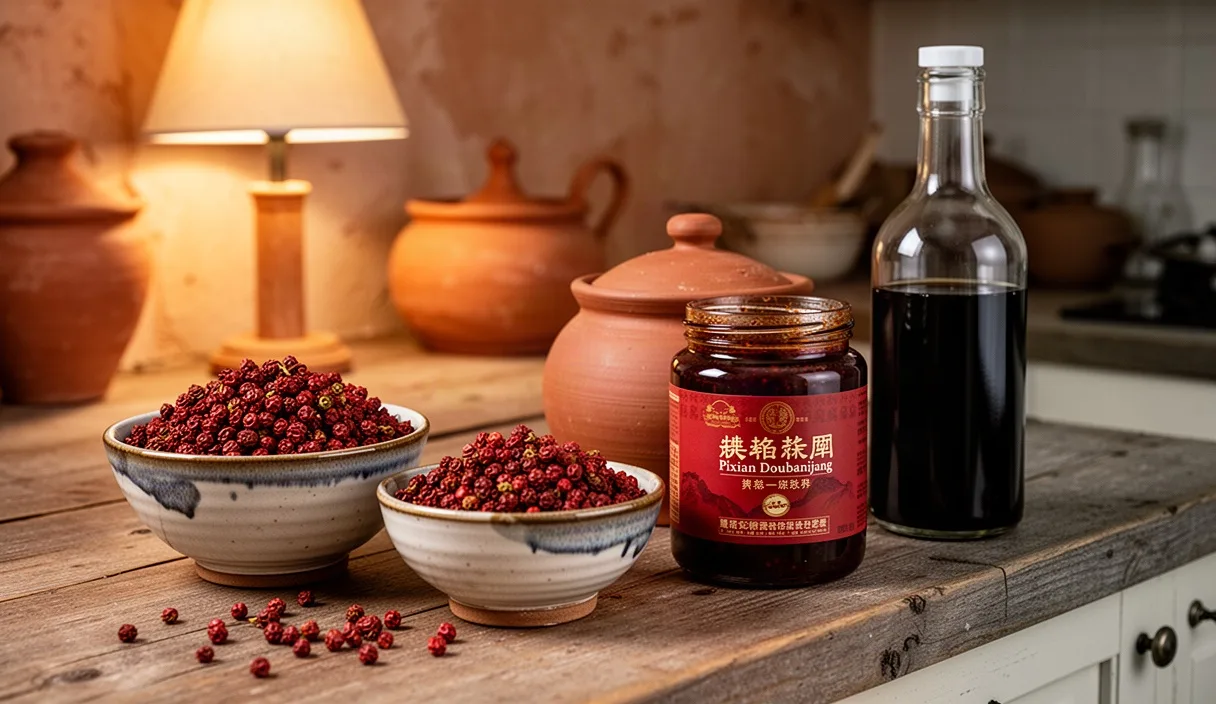

Cooking Sichuan food at home often suffers from the initial impulse to buy thirty specialized bottles before striking a match under a wok. Most home cooks surrender to clutter, crowd their cupboards with obscure sauces, and still end up with stir-fries that taste flat or one-dimensional. The truth is far simpler: southwestern Chinese kitchens rely on compound seasoning, where a handful of deeply fermented and aromatic items are layered in hot oil to produce complex flavor profiles.
You do not need an entire import market in your pantry to cook authentic food from Chengdu or Chongqing. By stocking five fundamental staples, Pixian fermented broad bean paste, dried Erjingtiao chilis, whole Sichuan peppercorns, fermented black beans, and aged Chinkiang vinegar, you unlock the building blocks for iconic profiles like fish-fragrant, strange-flavor, home-style, and classic numbing-spicy dishes. With a modest shelf footprint and good technique, your kitchen will turn out meals with the depth and clarity of a neighborhood Sichuan restaurant.
The Core Flavors of Southwestern China
Sichuan cuisine is celebrated for heat, but local cooks view capsaicin as merely a frame for a larger canvas. The regional culinary tradition identifies more than twenty distinct compound flavor types, known as tiaowei. Understanding these combinations keeps you from reducing the entire province to pure chili oil. The five staples work as modular tools: changing the ratio of paste, vinegar, and aromatics creates an entirely new category of dish.
The most famous profile is ma la, the prickly and spicy signature of Mapo Tofu and dry-pot cooking. Here, dried chilis and fermented paste provide the heat and savory baseline, while Sichuan peppercorns introduce vibration on the tongue. In contrast, yu xiang (fish-fragrant flavor) contains no seafood at all; it relies on pickled chili paste, Chinkiang vinegar, sugar, garlic, and ginger to evoke the sweet-sour-savory profile traditionally used to braise river fish. Master these ratios, and your ingredients will work together like a well-drilled kitchen brigade.
Below are four essential flavor structures made possible with these five pantry items:
- Ma La (Numbing and Hot): Built on Pixian doubanjiang, dried chilis, and toasted red peppercorns. Common in hot pots, boiled beef, and spicy mapo preparations.
- Yu Xiang (Fish-Fragrant): Combines doubanjiang, sugar, Chinkiang vinegar, soy sauce, and scallion whites to balance bright acidity against warm richness.
- Jia Chang (Home-Style): Anchored by fried doubanjiang and fermented black beans, finished with light soy sauce. It offers a warm, savory backdrop for firm tofu and pork belly.
- Guai Wei (Strange Flavor): A cold-dish specialty marrying Chinkiang vinegar, toasted peppercorn powder, sesame paste, sugar, and chili oil for an intriguing balance across every taste bud.
Choosing Authentic Pixian Doubanjiang
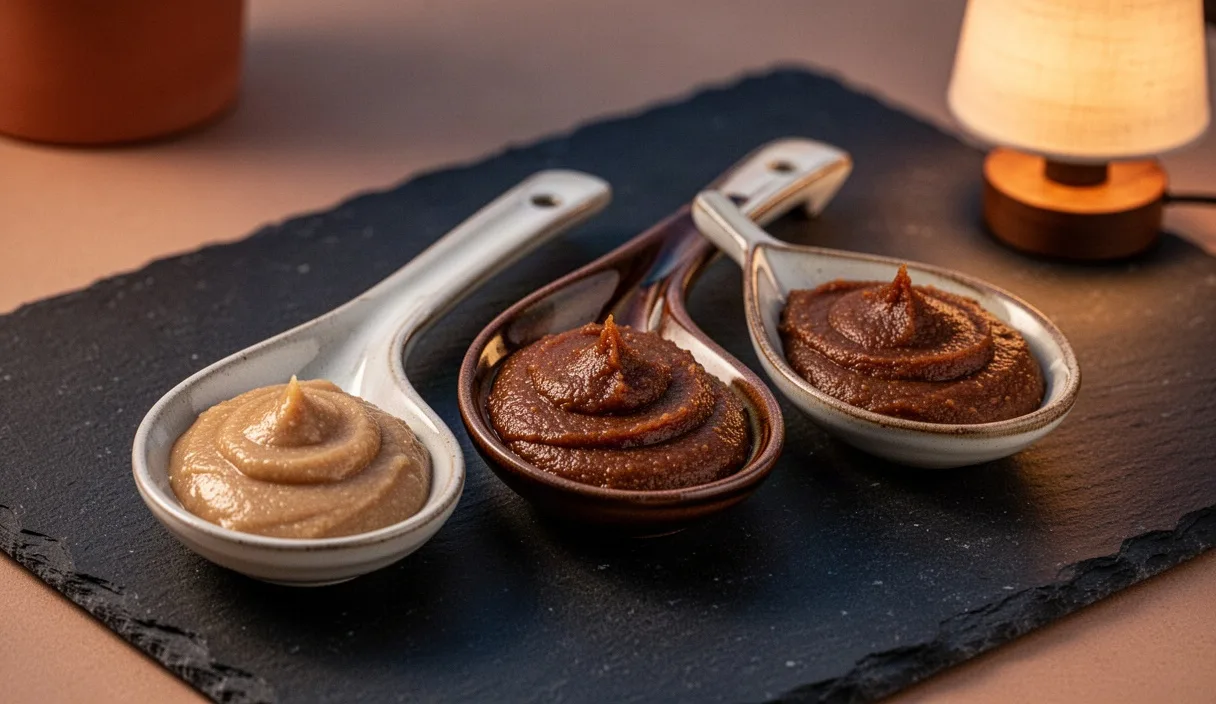
If Sichuan cooking possesses a single soul, it resides in Pixian broad bean paste (Pixian doubanjiang). Originating in the Pixian district outside Chengdu, this dark, pungent paste is produced through traditional outdoor fermentation under the sun. Broad beans, wheat flour, and fresh red erjingtiao chilis sit in massive clay vats, turned by hand every morning and exposed to night dew. The outcome is not sweet like southern Chinese bean sauces, but salty, funky, and packed with natural glutamates.
Supermarket aisles often stock red oil bean paste (hong you doubanjiang) alongside traditional aged paste. Red oil doubanjiang is bright red, aged for only three to six months, and mixed with vegetable oil. It produces a brilliant red hue in stir-fries, but lacks the deep, umami-rich backbone of slow-fermented paste. Traditional Pixian paste is aged for at least twelve months, appearing dark reddish-brown, thick, and almost dry. For serious braises and stews, the longer-aged paste is unmatched.
| Product Style | Aging Period | Color and Texture | Best Culinary Application |
|---|---|---|---|
| Hong You Doubanjiang | 3 to 6 months | Bright crimson, loose, suspended in oil | Quick vegetable stir-fries, quick noodles |
| Standard Juan Cheng Pixian | 12 to 18 months | Dark mahogany, coarse paste, moist | Classic Mapo Tofu, twice-cooked pork |
| Aged Pixian Douban (Lao Douban) | 36 months or more | Near black, very dry, dense and sticky | Slow-braised beef, master stocks |
When shopping, look for the protected geographical indication label and the recognizable Juan Cheng brand, featuring an orange label with a rhombus seal. To use aged Pixian doubanjiang properly, always scoop out your measured portion onto a cutting board and mince it finely with a cleaver. Large broad bean skins can be tough and fibrous. Mincing ensures the paste distributes evenly and releases its rich pigment into your cooking oil.
Sourcing Floral versus Pungent Peppercorns
Sichuan peppercorn is not a true pepper; it is the dried outer husk of a citrus shrub in the Zanthoxylum genus. The tingling sensation it produces is caused by hydroxy-alpha-sanshool, a bioactive compound that stimulates touch and vibration receptors on your lips and tongue rather than pain receptors. Without high-quality peppercorns, Sichuan food loses its signature aromatic freshness.
You will encounter two main varieties on spice shelves: red peppercorns (hong huajiao) and green peppercorns (qing huajiao). Red varieties, especially Da Hong Pao from Hanyuan, deliver deep woodiness, warm citrus peel notes, and a sustained, heavy numbing sensation. Green peppercorns, harvested earlier, lean sharply toward lime blossom, pine needles, and high-frequency, immediate tingling. Red suits braised beef, chili oils, and twice-cooked pork; green shines in cold chicken dishes, steamed fish, and light broths.
To inspect and prepare whole peppercorns at home:
- Sift the husks: Empty the package onto a rimmed sheet pan and discard the hard, shiny black seeds. The seeds taste bitter and gritty like gravel; all the numbing essential oil lives in the wrinkled husks.
- Check for twig debris: Pick out small woody stems that can puncture tender bites in a finished dish.
- Toast gently over low heat: Place cleaned husks into a dry skillet over low heat for two to three minutes. As soon as the room smells of warm citrus, pull the pan off the burner. Do not let them smoke.
- Grind to order: Let the toasted husks cool completely to become brittle, then crush them in a granite mortar or dedicated spice mill. Whole peppercorns maintain potency for nine months in a jar; ground powder oxidizes and turns musty within fourteen days.
The Role of Chinkiang Vinegar in Balancing Richness
Sichuan cooking incorporates substantial amounts of cooking fat, rendering pork belly, hot pot tallow, and chili oil standard operating procedure. Black rice vinegar from Zhenjiang (widely romanized as Chinkiang vinegar) acts as the balancing counterweight. Unlike clear distilled vinegar or sharp apple cider vinegar, Chinkiang vinegar is brewed from glutinous rice, wheat bran, and water, aged for a year or more until it develops a dark brown color and a mellow, malty depth.
Its acidity is soft, hovering near five percent acetic acid, carrying notes of roasted grains, molasses, and smoke. In the Sichuan culinary canon, cooks use this vinegar in two distinct ways: early in the cooking process to tenderize ingredients and integrate into rich sauces, or right before removing the wok from heat to provide a bright, fragrant lift.
In sweet-and-sour or fish-fragrant applications, Chinkiang vinegar is combined with granulated sugar and fermented paste in a bowl before cooking begins. This pre-mixed slurry ensures the sugar dissolves completely and the vinegar caramelizes lightly as it strikes the searing perimeter of the wok. When finishing a heavy soup or a bowl of Dan Dan noodles, adding a teaspoon of vinegar into the serving bowl cuts through the rich pork lard and ground sesame paste, preventing the dish from feeling heavy on the palate.
Practical Storage Rules for Fermented Pastes
Fermented ingredients like Pixian doubanjiang and fermented black soybeans (douchi) were engineered long before mechanical refrigeration existed. Their high salt content preserves them effectively, but modern kitchen environments present risks, primarily moisture loss and ambient mold spores. Storing them improperly can cause your expensive paste to dry into a salty brick or develop surface spoilage.
Traditional non-oil Pixian paste comes packaged in plastic pouches inside paper boxes. Once opened, transfer the paste immediately to a clean, airtight glass container. If the paste appears dry, pour a thin layer of roasted rapeseed oil (caiziyou) or neutral peanut oil over the top. This oil barrier seals the fermented paste from ambient air, preventing oxidation and preserving volatile aroma compounds. Store this jar in the refrigerator, where it will safely keep its savory punch for eighteen months.
Fermented black soybeans require a different approach. Douchi are salted, fermented soybeans, soft to the touch and fragrant with ginger and rice wine notes. Do not submerge douchi in oil unless you are deliberately making chili-black bean oil. Keep whole douchi in an airtight jar in a cool, dark cabinet or the crisper drawer of your refrigerator. Always use a bone-dry, clean spoon when scooping from either jar. A single drop of tap water introduced into a jar of bean paste can establish a pocket of white mold within a week.
Common Mistakes to Avoid
Working with Sichuan pantry essentials requires an adjustment in cooking instincts. These ingredients behave differently in hot oil than typical Western aromatics.
- Burning the doubanjiang: Dropping Pixian paste into screaming-hot oil burns the chili flakes in seconds, turning the sauce bitter. Add the minced paste to warm oil over medium-low heat, stirring continuously for two minutes until the oil turns bright red and fragrant. Increase the heat only after the paste is properly sweated.
- Skipping the bean rinse: Fermented black beans (douchi) carry a crust of topical salt. Unless a recipe explicitly tells you to toss them straight from the packet, give them a ten-second rinse in cold water and pat them dry. This removes excess surface sodium while keeping their rich savory core intact.
- Relying on pre-made chili flakes: Generic chili powder often contains filler seeds and lacks oil. Source dried Erjingtiao or Facing Heaven chilis whole, cut them into segments, shake out excess seeds, and fry them briefly in oil alongside your peppercorns for authentic fragrance.
- Overheating vinegar: Boiling Chinkiang vinegar violently for several minutes evaporates its volatile aromatics, leaving only harsh acid behind. Swirl vinegar down the hot slope of the wok at the very end of cooking to flash-steam its fragrance into the ingredients.
Next Steps for Your Kitchen
Building this pantry does not require an immediate overhaul of your spice rack. Begin by sourcing authentic Pixian doubanjiang and a fresh bag of whole red Sichuan peppercorns, as these two items produce the foundational flavor of authentic southwestern cooking. Inspect the peppercorns, pick out any lingering seeds, and store the husks in an airtight glass jar away from direct light and heat.
Once those essentials are on your shelf, pick a classic dish with a concise ingredient list, like Home-Style Tofu or Mapo Tofu. Cook it once, paying close attention to how sweating the minced paste in medium oil changes both the oil's color and fragrance before any liquid touches the pan. From that single success, your pantry will cease to be a collection of unfamiliar jars and become an intuitive, hard-working toolkit for weeknight cooking.