Meridian Palate
About Contact
Articles Pantry FoundationsRegional TechniquesFlavor ProfilesKitchen Field Notes
Featured

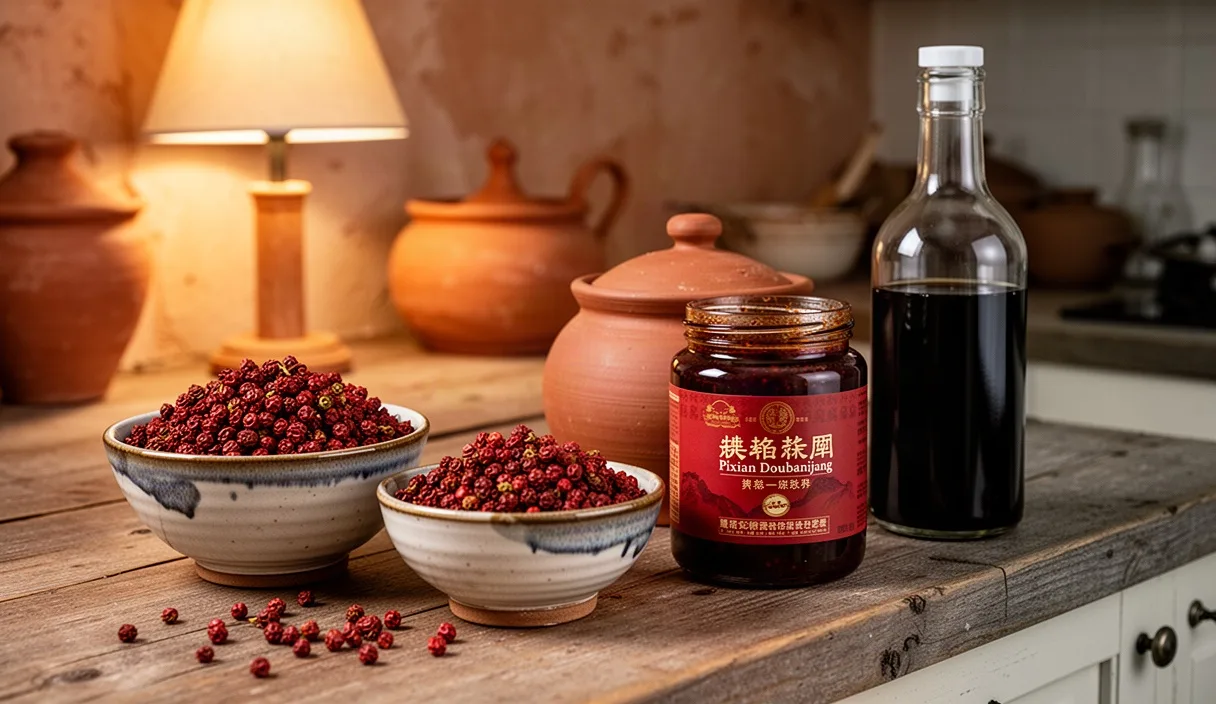
How to Build a Sichuan Pantry with Five Staple Items

You will master the basic building blocks of Sichuan heat and fragrance without cluttering your cupboards. Learn how to select the right chili crisp, fermented bean paste, and peppercorns for balanced mapo dishes.

Read article 8 min read
How to Build a Sichuan Pantry with Five Staple Items
Browse TopicsPantry FoundationsRegional TechniquesFlavor ProfilesKitchen Field Notes

Editors' picks

Start here

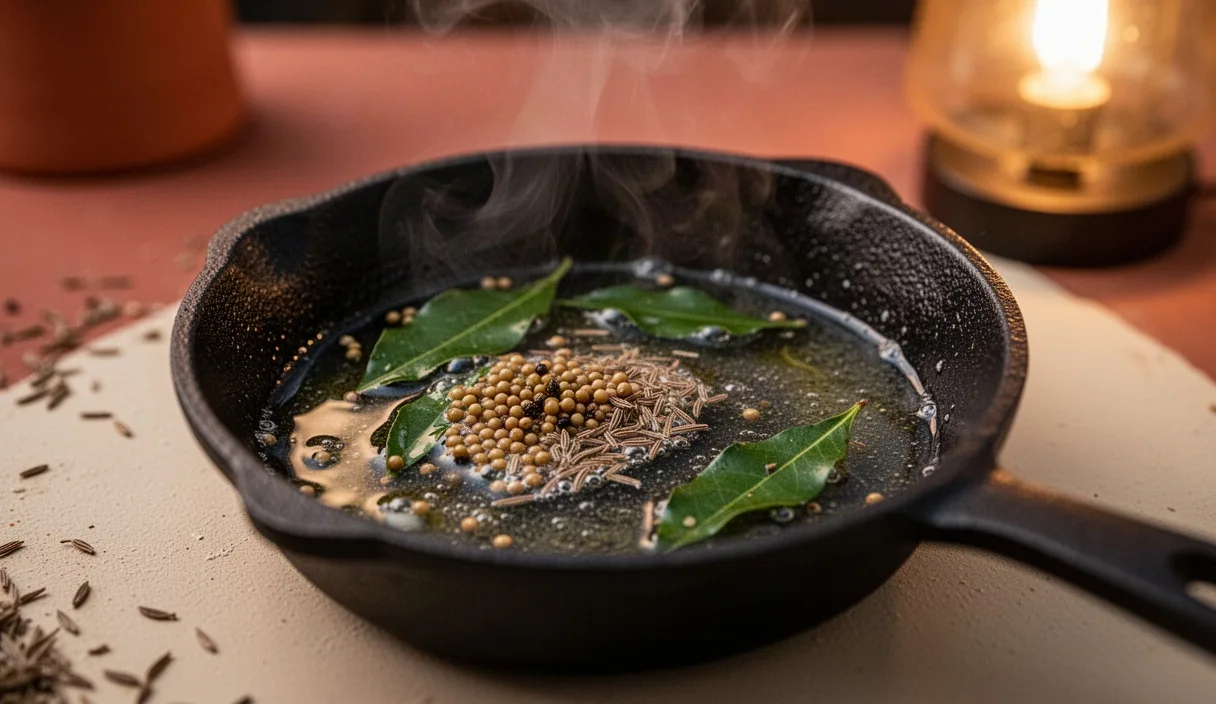
How to Bloom Whole Spices for Indian Curries and Daals
Regional Techniques 8 min read

How to Bloom Whole Spices for Indian Curries and Daals

You will master the art of tadka to extract essential oils from cumin, mustard, and cardamom seeds. Learn exact thermal indicators so your spices release warm perfume rather than burnt bitterness.
How to Pickle Vegetables with Japanese Tsukemono Methods
Regional Techniques 8 min read

How to Pickle Vegetables with Japanese Tsukemono Methods

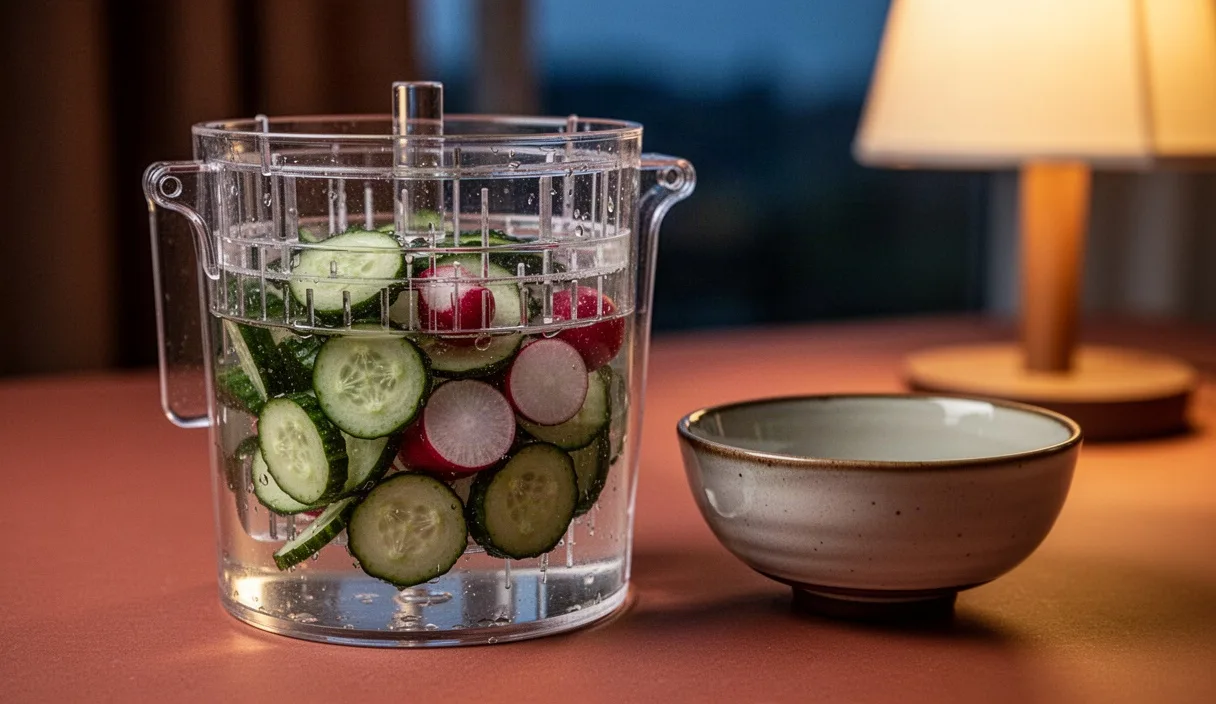
You will prepare crisp, balanced salt-pressed and rice-bran pickles right on your kitchen counter. Discover how minimal pressure and controlled salting pull moisture while highlighting raw vegetable crispness.

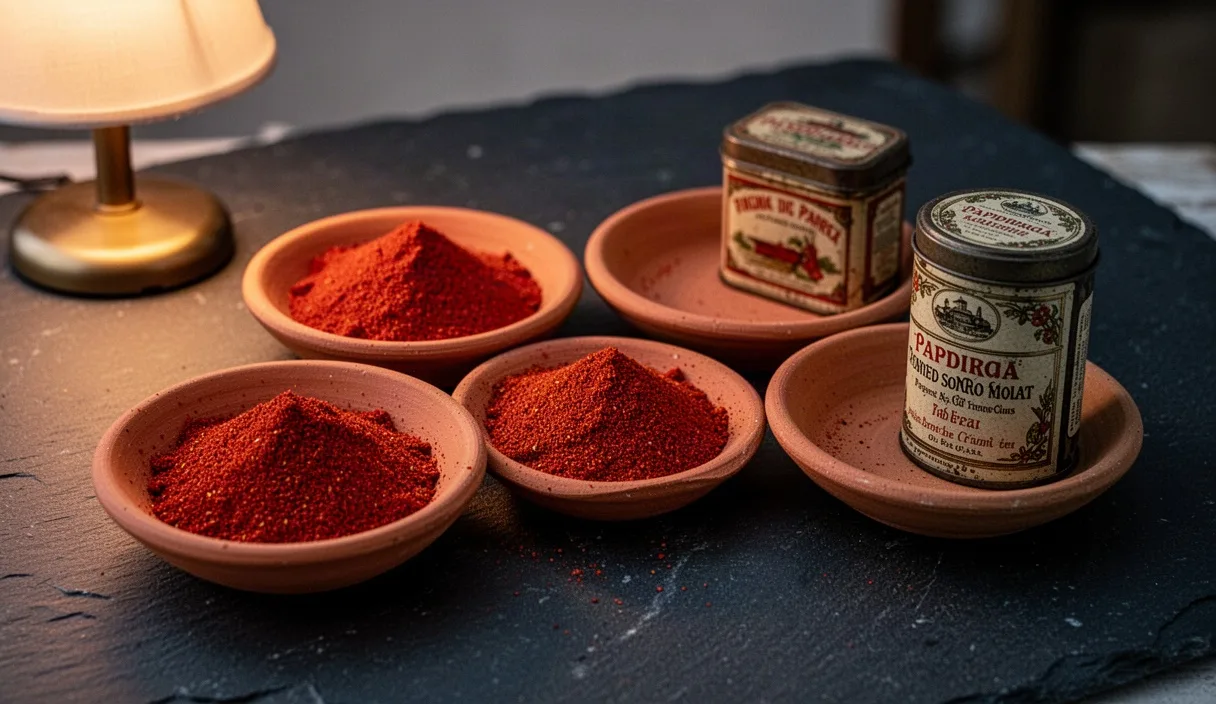
Smoked Paprika Comparison: Sweet, Bittersweet, and Hot
Flavor Profiles 9 min read

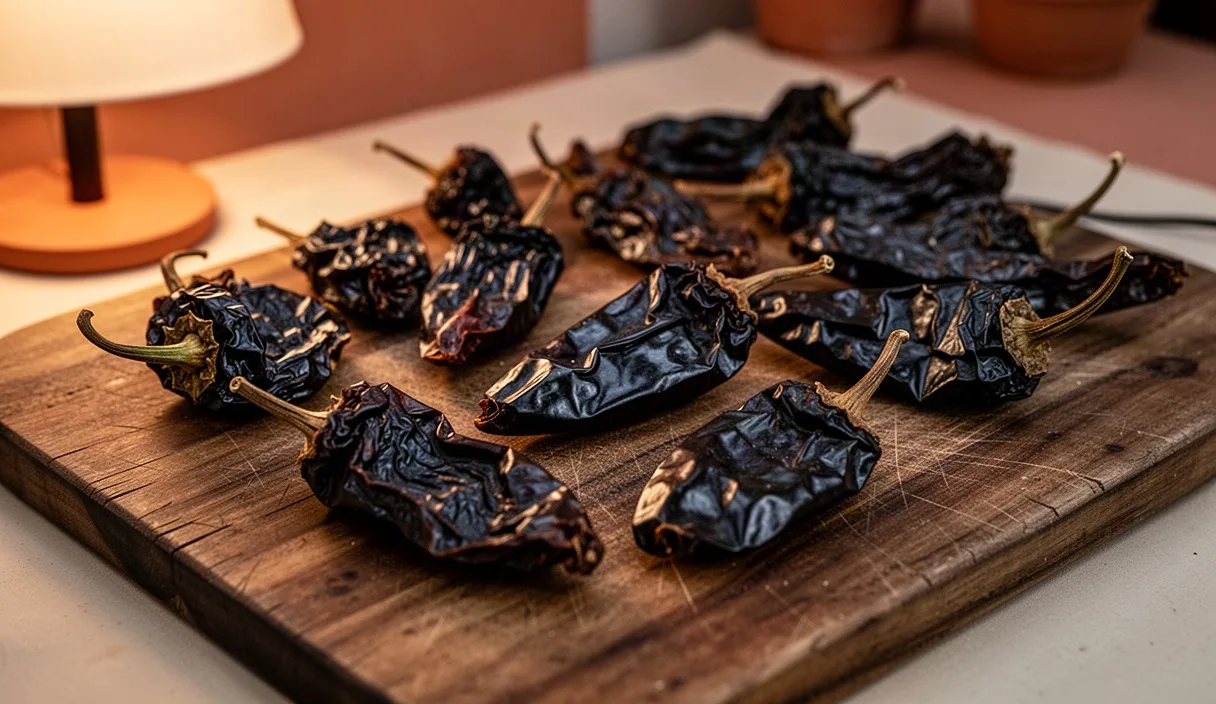
Smoked Paprika Comparison: Sweet, Bittersweet, and Hot

You will distinguish between the three primary styles of Spanish pimentón and know exactly when to reach for each tin. Master how oak-smoke intensity alters bean stews, roasted potatoes, and marinades.

Browse by topic

Long reads

Fish Sauce Buying Checklist: Protein Content and Origins
Kitchen Field Notes9 min read

Fish Sauce Buying Checklist: Protein Content and Origins

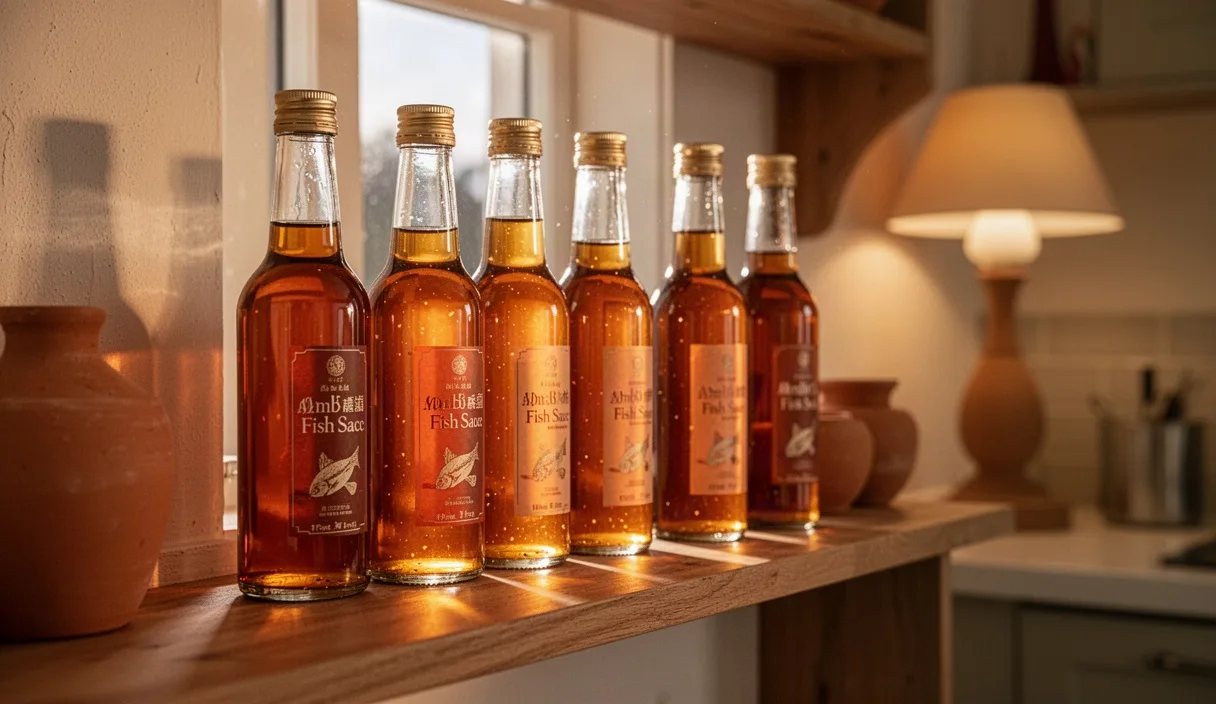
You will decode fish sauce labels by reading the degrees nitrogen rating and origin markers. Select bottles that offer clean savory depth rather than harsh chemical salinity for your dressings and soups.

How we write

Editorial policy

Unbiased Food Journalism

We decline corporate sponsorships to keep our cultural reporting clear and objective.

Kitchen-Tested Techniques

Every recipe is verified using standard domestic cookware and accessible heat sources.

Precise Botanical Sourcing

We name exact cultivars and spice harvests rather than vague supermarket substitutes.

Clear Flavour Profiles

Each essay breaks down aroma, salinity, and heat balance in direct language.

Questions readers ask

who writes the articles on meridian palate

Our journal is written by independent culinary researchers and experienced home cooks based in London. We investigate traditional food cultures and test each method thoroughly before publication.

what ingredients are featured in your guides

We highlight whole spices, fermented pastes, cold-pressed oils, and unrefined salts with traceable origins. Our guides suggest authentic staples like Tellicherry peppercorns and heirloom miso alongside accessible regional alternatives.

how do you test dishes before publishing

Every dish is cooked three times in our Ealing test kitchen using standard domestic appliances. This ensures our timings, temperatures, and spice ratios remain reliable for home cooks.

how is this culinary publication funded

Meridian Palate operates as an independent editorial journal supported by syndicated features and reader contributions. We do not accept paid brand sponsorships or host deceptive advertising.

Who writes here

We document regional food traditions with fidelity to their roots, testing each technique in our Ealing kitchen so home cooks succeed every time.
Julian Vance Julian VanceLead Culinary Researcher

Write to the Editors

Do you have a question about a spice blend, or did you spot an error in a regional technique? Drop us a note so we can improve our kitchen reporting.

Working hours

Mon-Fri 08:45-17:00, Sat 09:45-15:30

Expected response time

We write back within one business day

Send us a message