 Meridian Palate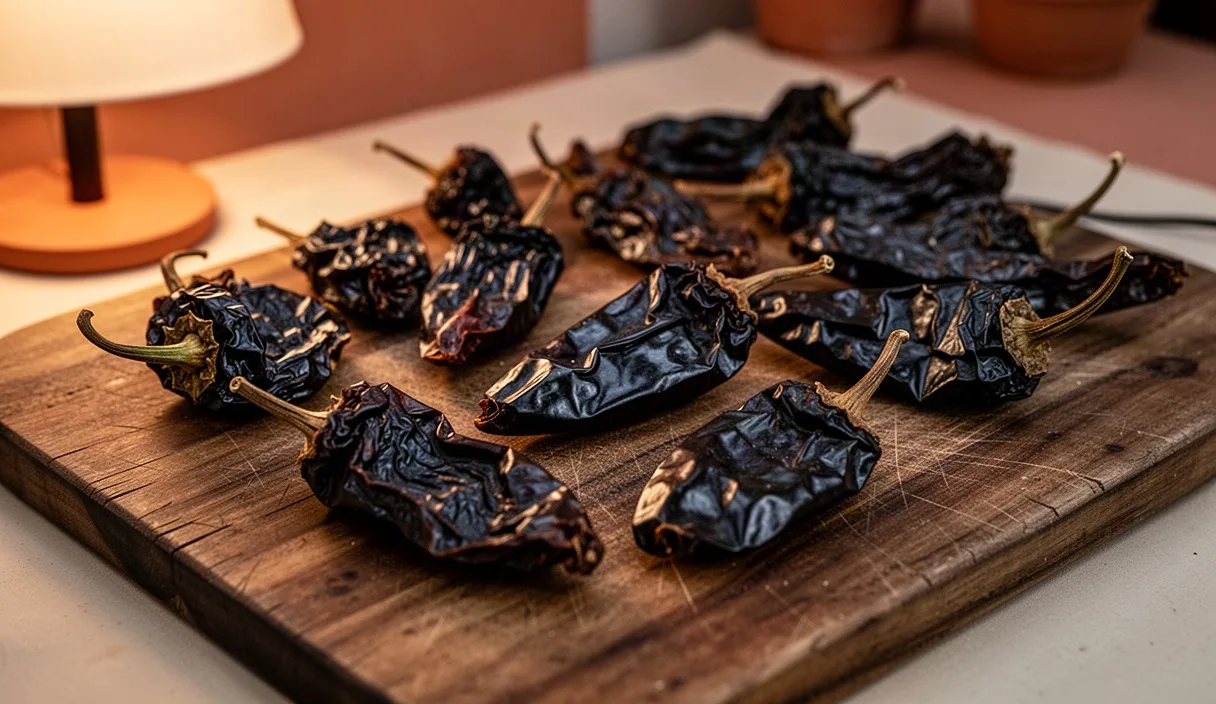

A pantry stocked with dried Mexican chiles smells like leather, sun-dried fruit, and woodsmoke. These wrinkled pods are not simply fiery additions tossed into a pot to raise the temperature. In Mexican culinary tradition, they function as building blocks of flavor, providing acidity, bitterness, sweetness, and deep roasted undertones. Understanding them transforms a generic pot of braised meat or salsa into something layered and balanced.
Working with dried chiles requires looking past heat alone. While some varieties certainly pack a punch, most of the workhorse varieties sit low on the Scoville heat unit scale. Their primary value lies in their complex skins and sugars, which concentrate as the pods dry under the sun or in wood-fired ovens. Learning how each chile behaves in hot fat, hot water, and a blender jar will give you the tools to build traditional adobos, rich moles, and bright table salsas with confidence.
Anatomy of Dried Chiles: From Fresh Pod to Wrinkled Leather
Every dried chile started life as a plump, hydrated pepper on a vine. During the drying process, the water evaporates, leaving behind concentrated sugars, capsaicin, and aromatic compounds. A fresh poblano chile transforms into an ancho or a mulato, a fresh chilaca becomes a pasilla, and a fresh mirasol turns into a guajillo. Knowing the fresh ancestor helps you predict the natural acidity, skin thickness, and sweetness of the dried version.
When selecting dried chiles at a market, tactile feedback matters more than appearance. High quality dried pods should feel flexible, pliable, and slightly leathery, much like a large dried prune or a soft raisin. If a chile shatters into shards when you bend it gently between your fingers, it has lost most of its volatile aromatic oils to age and poor storage. While a brittle pod can still provide heat, its nuanced fruit and tobacco notes have largely vanished.
The interior structure of the pod contains the placenta, which is the pale pith where the capsaicin glands concentrate, along with dozens of pale seeds. The seeds themselves carry very little flavor and turn intensely bitter when pureed into a sauce. In almost all Mexican recipes, cooks split the pods open, discard the seeds and veins, and work strictly with the flavorful outer flesh.
| Dried Variety | Fresh Pod Name | Heat Range (SHU) | Dominant Flavor Tone |
|---|---|---|---|
| Ancho | Poblano (ripe red) | 1,000 to 2,000 | Prune, molasses, raisin |
| Mulato | Poblano (brown-black ripe) | 1,000 to 2,500 | Dark chocolate, tobacco |
| Guajillo | Mirasol | 2,500 to 5,000 | Tart berry, green tea, wood |
| Pasilla | Chilaca | 1,000 to 2,500 | Dry cocoa, rich mushroom |
| Chipotle Meco | Jalapeño (mature red) | 5,000 to 10,000 | Hickory, campfire, warm fruit |
The Sweet Raisin Category: Ancho and Mulato
The ancho chile is the most widely consumed dried pepper in Mexico. It is made from fully ripened poblano peppers that turn deep red on the vine before harvesting and drying. Anchos are wide, triangular pods with wrinkled, reddish-brown skin. On the Scoville scale, they fall gently between 1,000 and 2,000 units, making them mild enough to use in generous quantities as a thickener and flavor base rather than a pure heat source.
Anchos taste distinctly like stewed raisins, dried black cherries, and dark brown sugar. When soaked and blended, they yield a thick, glossy puree with a mild, round finish that softens sharper ingredients like vinegar or raw garlic. They form the backbone of classic chili con carne, authentic enchilada sauces, and the foundational paste for birria marinades. If a sauce recipe tastes too sharp or thin, pureed ancho is often the ingredient that pulls it back into balance.
The mulato chile is the ancho's darker twin, also originating from the poblano family but allowed to ripen to a deep chocolate brown before drying. While anchos lean toward bright dried fruit, mulatos lean toward earthy, bitter-sweet complexity. You will notice flavors reminiscent of roasted coffee, unsweetened baker's chocolate, and cured tobacco leaf. Mulatos are slightly warmer than anchos, occasionally reaching 2,500 Scoville units.
In traditional mole poblano, mulatos provide the characteristic dark color and bitter-sweet base that balances Mexican cinnamon and piloncillo sugar. When combining the two, a ratio of two ancho chiles to one mulato chile gives braised beef short ribs or roasted pork shoulder a rich, velvety coating that tastes like it simmered for days.
Bright Acidity and Structure: The Guajillo Pod
If the ancho is the sweet warmth of Mexican cooking, the guajillo is the bright spine. Grown from the mirasol pepper, which famously points upward toward the sun while growing, the guajillo dries into a long, slender pod with smooth, glossy, deep orange-red skin. It registers between 2,500 and 5,000 Scoville heat units, providing a noticeable buzz on the tongue without overwhelming the palate.
Guajillo chiles have a distinct flavor profile dominated by tart cranberries, pomegranate, green tea, and mild pine. Because they lack the dense sugar content of anchos, they do not create heavy, sweet gravies. Instead, they produce light, broth-like sauces that cut through rich fats. They are the essential component of pozole rojo, tacos al pastor adobos, and classic Menudo broths, where their natural sharpness cuts the gelatinous richness of the meat.
The main challenge when working with guajillos is their tough, leathery skin. Even high-powered blenders struggle to break down guajillo skin into an entirely smooth consistency. To work with them successfully, always pass your pureed guajillo sauce through a fine-mesh strainer. Press firmly on the solids using the back of a ladle to extract the red puree, leaving behind the papery red flakes that would otherwise create a gritty texture on the tongue.
Earthy Cocoa Notes: Pasilla Chiles Explained
The name pasilla translates literally to "little raisin," a reference to the deeply furrowed, dark brown skin of the dried chilaca pepper. In fresh form, the chilaca is long, slender, and twisted; dried, the pasilla measures between six and nine inches in length. Its heat profile is modest, falling between 1,000 and 2,500 Scoville units, similar to an ancho.
Flavor-wise, pasilla chiles sit firmly in the savory, earthy register. They offer notes of roasted mushroom, dark cacao, licorice, and damp wood. They lack the sweet berry acidity of guajillos and the jammy sweetness of anchos, acting instead as a savory anchor. Pasilla is the third member of the so-called Holy Trinity of Mexican mole chiles, alongside ancho and mulato.
Pasillas shine brightest when combined with dairy or starches. In Oaxaca, pasilla de Oaxaca, a smoked variant, is pureed into black bean pots or cooked down with roasted tomatoes for table salsas served alongside grilled beef and queso fresco. To use standard pasillas in a weeknight meal, toast two pods, soak them in hot chicken broth, and blend them with three roasted plum tomatoes and a slice of toasted white bread. Simmer the mixture for twenty minutes to create a classic salsa borracha or an earthy base for tortilla soup.
Proper Toasting Techniques Without Scorching
Never skip toasting dried chiles before rehydrating or grinding them. Heat awakens the trapped essential oils and toasts the skin sugars, shifting the flavor from raw and leathery to warm and fragrant. However, burned chile skin tastes distinctly like ash and acrid smoke, and that harsh flavor will ruin an entire batch of sauce. You want to toast the flesh, not char it.
Dry Comal or Skillet Toasting
- Slit the chiles open with kitchen shears, remove the stem, and shake out the seeds and interior veins. Flatten the pods with your hands.
- Heat a dry cast-iron skillet or comal over medium heat until it feels warm when your palm is held three inches above the metal.
- Place the flattened chile pieces in the dry pan in a single layer. Press them gently against the hot surface using a wide wooden or silicone spatula.
- Hold the chile down for 10 to 15 seconds. As soon as you see the inside flesh lighten in color and smell a burst of toasted fragrance, flip the pieces.
- Press the reverse side for another 10 seconds. Immediately transfer the toasted pods to a clean bowl. If a pod turns black or begins sending up thin gray smoke, discard it and start over.
Brief Oil-Frying
An alternative method common in traditional adobos involves frying the cleaned pods in a shallow pool of hot lard or neutral oil. Heat two tablespoons of fat over medium heat until it reaches roughly 325 degrees Fahrenheit. Drop the dry chile pieces into the hot fat for 5 to 8 seconds per side. They will blister and puff slightly, turning a shade lighter. Remove them instantly with tongs or a slotted spoon and drain on paper towels. This method brings out deep savory notes quickly, but requires constant attention, as an extra three seconds in hot oil will scorch the skins.
Rehydration Liquid: When to Use It and When to Discard It
Once your chiles are toasted, the next step is rehydration. Submerging the toasted pods in hot liquid softens the tough cell walls, making them easy to break down into a fine puree in the blender. Cover the toasted chiles with boiling water or hot stock, set a small saucer on top to keep them submerged, and let them steep for 15 to 20 minutes. They will swell, soften, and take on the appearance of fresh peppers again.
Cooks frequently debate whether to use the soaking liquid to thin out the puree or to throw it down the sink. The answer depends entirely on taste. Before adding the liquid to your blender jar, dip a clean spoon into the soaking water and taste it.
- Use the liquid: If the soaking water tastes sweet, rich, and slightly earthy, like weak black tea, it contains valuable water-soluble flavors. Use it to thin your sauce, especially when cooking dark stews or braises.
- Discard the liquid: If the liquid tastes sharply bitter, tannic, or astringent, pour it out and use fresh water or low-sodium chicken stock instead. Thick-skinned, older pods and darker chiles like pasillas often leach bitter compounds into their soak water that can ruin a delicate salsa.
If you plan to use the soaking liquid, wash the outside of the pods briefly under cool tap water before toasting to remove any market dust. That simple rinse ensures that whatever extracts into your soaking water remains clean and clear.
Common Mistakes to Avoid
A few frequent missteps can compromise the flavor and texture of dried chile sauces:
- Leaving the seeds in the pod: Seeds do not add pleasant heat; they add bitterness and tiny hard specks that refuse to puree properly. Take thirty seconds to shake them out completely.
- Using boiling water on brittle, stale chiles: If your chiles are brittle from age, soaking them in boiling water will not fully restore their lost aromatic oils. Replace old pods that break like glass when bent.
- Skipping the strainer: Even with a high-speed blender, varieties with thick cuticles like guajillo and chipotle leave papery shards. Straining through a medium-to-fine mesh sieve makes the difference between a sauce that feels like velvet and one that feels gritty.
- Overheating the skillet: If your cast-iron skillet is smoking before the chiles touch it, it is far too hot. Moderate heat and short contact time protect the delicate oils.
Building Your Pantry: Practical Next Steps
To begin cooking with dried chiles, do not buy a dozen varieties at once. Purchase a four-ounce bag of ancho chiles and a four-ounce bag of guajillo chiles from a local market or online purveyor. This pairing gives you the foundational duo of Mexican saucemaking: sweet warmth from the ancho and bright acidity from the guajillo.
Transfer the dried pods from their thin store packaging into glass jars with tight rubber gaskets or heavy-duty airtight food containers. Store them in a cool, dark cupboard away from the heat of your stove. When kept away from light and humidity, pliable dried chiles will maintain their peak flavor for six to nine months. If you smell dust instead of dried fruit when you open the jar, it is time to restock.
For your first project, make a simple adobo: toast three guajillos and two anchos, soak them in hot water for fifteen minutes, and blend them with two peeled garlic cloves, half a teaspoon of Mexican oregano, a pinch of cumin, and half a cup of the soaking water. Simmer this bright red paste in a tablespoon of oil for ten minutes, season with salt, and use it to braise chicken thighs or coat roasted potatoes. The depth of flavor will show you why these leathery pods have remained at the heart of Mexican kitchens for centuries.