 Meridian Palate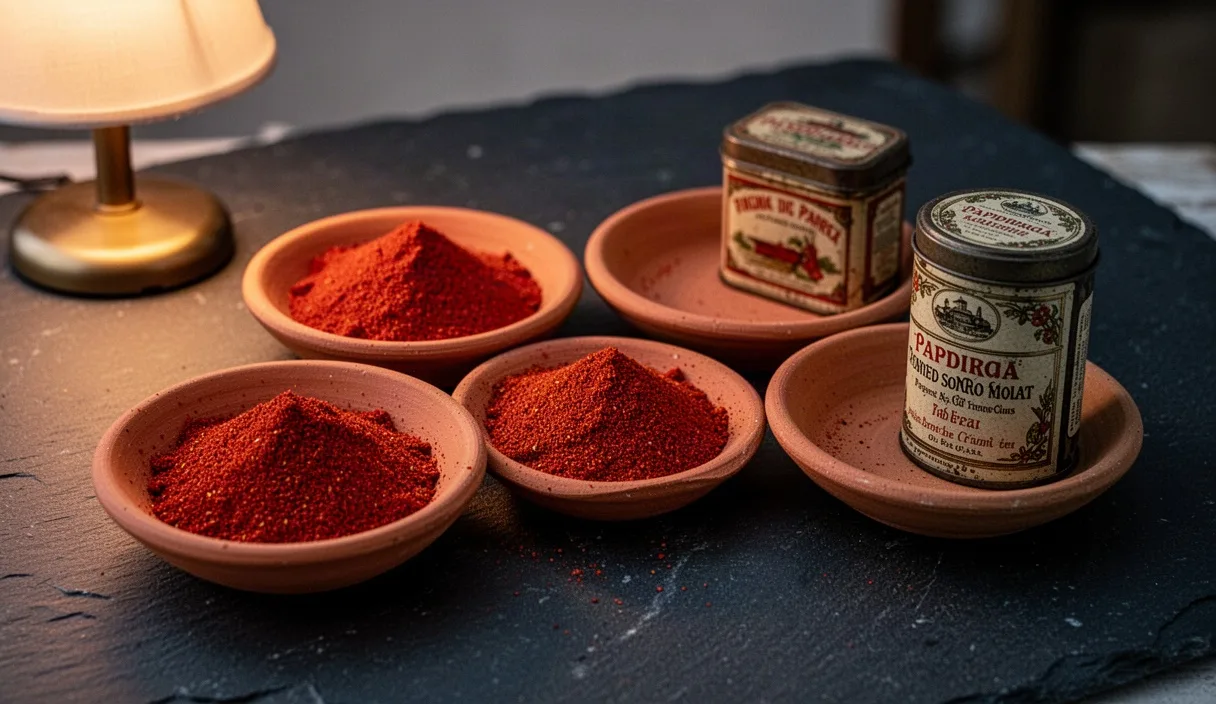

Walk into a Spanish spice market, and the scent of smoldering oak catches you before you reach the stalls. That aroma comes from pimenton de La Vera, a ground pepper that has defined Iberian cooking since monks first tended pepper plots in Extremadura during the sixteenth century. While standard grocery store paprika often acts as little more than a colorful dusting with faint earthiness, genuine Spanish smoked paprika carries the deep, resonant perfume of slow-cured wood smoke and concentrated pepper flesh.
The confusion usually begins at the shelf. Spanish tins come stamped with three distinct labels: dulce, agridulce, and picante. They share the same crimson color and identical tin packaging, yet each plays a vastly different role on the palate. Selecting the wrong style can leave a delicate seafood broth tasting aggressive, or conversely, leave a hearty winter stew flat and underdeveloped. Understanding how these three styles are made, how they taste, and how they react to kitchen heat will change the way you season everyday meals.
Origins of Oak-Drying in La Vera
The microclimate of the La Vera comarca, situated along the northern edge of Caceres in Extremadura, is the reason this spice exists in its smoky form. Shielded by the Sierra de Gredos mountains, the valley receives autumn rainfall right when the pepper harvest begins in late September and October. In sunnier regions like Murcia, farmers spread peppers out across dry ground to desiccate under clear skies, producing unsmoked pimenton. In La Vera, the persistent autumn humidity makes sun-drying impossible; peppers left on the ground would simply rot.
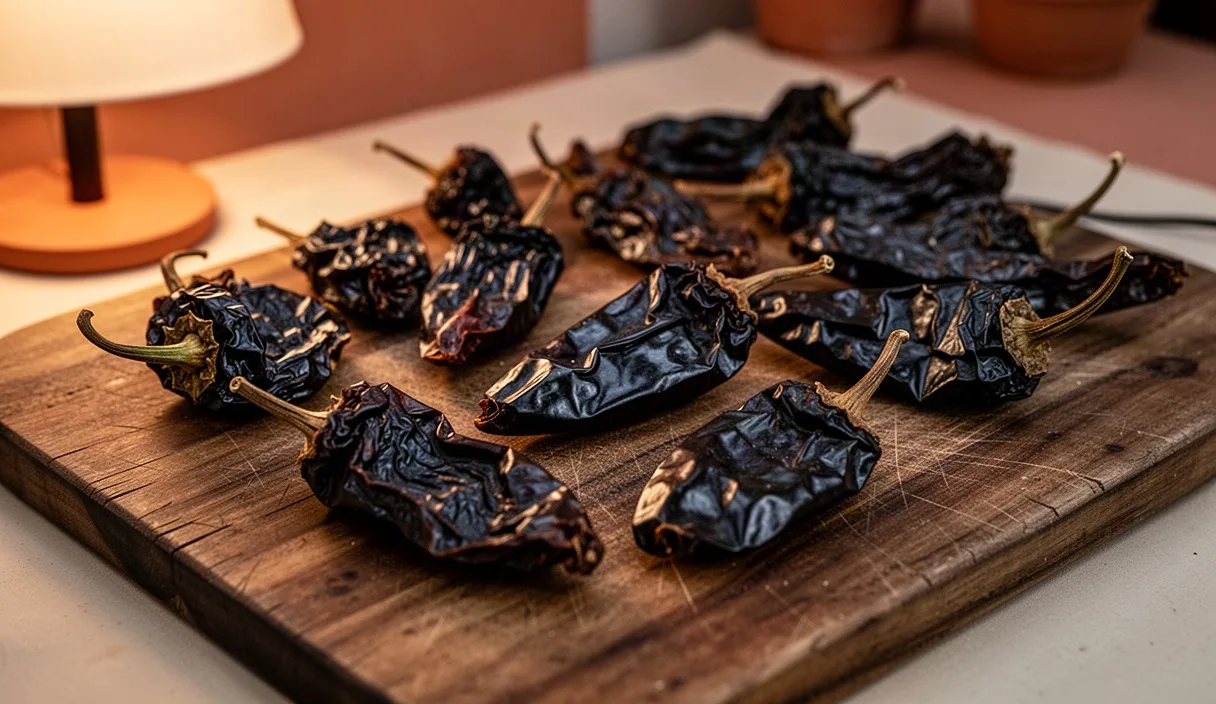
Centuries ago, local farmers solved this problem by building two-story stone smokehouses called secaderos directly in the fields. The ground floor houses a slow, smoldering fire fed exclusively with holm oak (Quercus ilex) and common oak logs. The upper level features a slatted oak floor placed about eight feet above the embers. Farmworkers pile freshly harvested peppers on these slats to a depth of roughly thirty inches. For ten to fifteen days, the warm, fragrant smoke rises through the floorboards, gently drawing moisture out of the pods without cooking the flesh.
Every single day during this curing window, workers must climb into the upper chamber to turn the heavy layers of peppers by hand, a process called el volteo. This manual labor guarantees that every pepper receives an even dose of smoke and dries uniformly down to a moisture content near eight percent. Once brittle, the dried pods move to stone mills where heavy granite wheels grind the skins, seeds, and ribs into an ultra-fine powder. The resulting spice carries the European Protected Designation of Origin (DOP) seal, ensuring no artificial liquid smoke or chemical drying agents touched the crop.
Tasting Profile of Pimentón Dulce
Pimenton dulce, or sweet smoked paprika, is milled primarily from the Bola (a round pepper closely related to the Hungarian cherry pepper) and Jaranda varieties. These peppers produce negligible amounts of capsaicin. What they do possess is an abundance of natural plant sugars, which slowly caramelize during the two-week drying cycle over the oak hearths.
In the mouth, dulce offers an immediate hit of campfire wood smoke, followed by a rounded, fruity sweetness that recalls sun-ripened tomatoes, dried cherries, and roasted red bell peppers. It contains zero perceived throat heat. Because there is no spicy burn to distract the tongue, dulce lets you assess the true quality of the smoke. Inferior versions taste acrid, like soot or an uncleaned chimney. High-grade dulce from La Vera tastes sweet, round, and rich, coating the tongue with an almost buttery finish.
This variety is your everyday baseline. It belongs anywhere you want warmth and savoriness without changing the chili-heat profile of the dish. Use it generously in potato dishes like patatas a la riojana, on fried eggs, in creamy aioli, or rubbed across roasting chicken alongside minced garlic and lemon zest.
| Style | Primary Pepper Cultivar | Perceived Heat | Primary Flavor Notes |
|---|---|---|---|
| Dulce | Bola, Jaranda | None (0 Scoville) | Caramelized fruit, mellow wood smoke, sweet pepper |
| Agridulce | Jariza, blended Jaranda | Mild prickle (500 to 1,500 Scoville) | Tangy acidity, earthy bark, balanced red fruit |
| Picante | Jeromin | Moderate, lingering (2,500 to 5,000 Scoville) | Sharp capsicum sting, charred oak, savory resin |
When to Choose Agridulce for Savory Depth
Agridulce translates literally to bittersweet or sour-sweet. It is the secret weapon of Spanish charcuterie and peasant cookery, crafted from the long, slender Jariza pepper. While it carries a subtle flicker of heat, it is not simply a halfway blend of sweet and spicy peppers, though commercial brands sometimes replicate it by mixing them. Authentic single-origin agridulce has a specific biochemical profile marked by higher organic acidity and a pleasant, vegetal bitterness.
That subtle bitterness acts on the tongue much like dark chocolate or roasted coffee, providing structural weight that cuts straight through rendered fat. When you eat traditional Spanish chorizo, the lingering richness on your tongue is kept in check entirely by pimenton agridulce. The smoke provides the base, the pepper sugar provides color, and the sharp, tannic tang prevents pork fat from feeling greasy.
Reach for agridulce when you are cooking heavy, rich ingredients that need definition. It is the ideal choice for:
- Stewed brown lentils cooked with salt pork or bacon ends.
- Braised pork shoulder, pork belly, or seared pork chops.
- Hearty white bean casseroles featuring blood sausage or greens.
- Dry rubs for beef brisket or lamb ribs, where sweet paprika can taste cloying.
- Tomato sauces that simmer for more than forty-five minutes.
Harnessing the Heat of Pimentón Picante
Pimenton picante draws its firepower from the Jeromin pepper, a small, tapered chili packed with concentrated capsaicin glands. In its ground form, picante does not rival the blistering intensity of cayenne pepper or habanero flakes, but it provides a clear, unmistakable kick that registers cleanly on the palate.
What makes picante formidable is the pairing of sharp capsaicin heat with heavy smoke. In many culinary traditions, spicy chilies are bright, acidic, and fresh. Here, the heat arrives wrapped in heavy autumn wood smoke. It builds slowly, warming the back of the throat rather than shocking the tip of the tongue. If you use a heavy hand, that cumulative heat can easily overwhelm delicate herbs or mild vegetables.
Picante shines brightest when it cuts through dense starches or contrasts with tender seafood. It is the defining ingredient in true salsa brava, where its sharp bite cuts through the starch of fried potatoes. It is also the traditional dusting applied to pulpo a la gallega (tender boiled octopus sliced thin over warm potatoes), where a pinch of picante and a pool of extra-virgin olive oil provide high-contrast seasoning for the sweet octopus meat. When substituting picante for standard chili powder in non-Spanish recipes, start with half the recommended amount until you understand how the wood smoke interacts with your other spices.
Temperature Rules: Preventing Burnt Bitterness in Oil
The single most common error cooks make with smoked paprika occurs in the first two minutes of cooking. Because pimenton is ground down to a powder between stone mills, its surface area is vast. More importantly, it retains a high concentration of natural sugars dried directly onto the skin fragments. Those sugars char into harsh, acrid carbon at roughly 320 degrees Fahrenheit.
If you drop dry pimenton into smoking olive oil alongside sizzling onions, the spice will scorch in less than four seconds. Once scorched, there is no culinary remedy. The smoke note turns into the flavor of a wet campfire, and a foul, lingering bitterness will ruin your entire pan of ingredients. To bloom smoked paprika properly without burning it, apply these strict temperature rules:
- Lower the pan heat first: Sweat your aromatics, like diced onions and minced garlic, until they soften. Before the paprika enters the pan, turn the burner down to low or pull the skillet entirely off the flame for fifteen seconds.
- Control the blooming window: Add the pimenton to the warm oil and stir continuously with a wooden spoon. Keep this direct oil contact between twelve and twenty seconds maximum. You want just enough heat to dissolve the fat-soluble carotenoid pigments and release volatile aromatics.
- Quench immediately with liquid: The instant the spice becomes fragrant, pour in your deglazing liquid. Crushed tomatoes, dry white wine, sherry, or vegetable broth will instantly drop the pan temperature below the scorching threshold and lock in the aromatic oils.
Simple Bean Test to Evaluate Smoke Aroma
Spice tins often sit in kitchen cabinets long past their prime. Paprika loses its volatile aromatic compounds rapidly when exposed to ambient warmth and oxygen, leaving behind dull red dust that tastes like cardboard. You cannot accurately judge the quality of smoked paprika by smelling the dry tin, because the nose gets overwhelmed by concentrated dust particles. Instead, use this simple culinary evaluation test.
Drain and rinse one 15-ounce can of plain cannellini or navy beans. Divide two tablespoons of beans into three small white ceramic ramekins. Warm each ramekin in the microwave for twelve seconds, just enough to release surface moisture without cooking the beans. Add one tablespoon of mild, unheated olive oil to each dish, then sprinkle a measured quarter-teaspoon of your pimenton varieties across the top: dulce in the first, agridulce in the second, and picante in the third.
Stir each ramekin thoroughly and let the mixture sit at room temperature for five minutes. Now taste them sequentially with a clean spoon, starting with the dulce.
A fresh, high-grade tin will immediately coat the bland starch of the bean with clean wood smoke, vibrant fruit flavor, and a balanced savory finish. If you detect notes of stale cigar ash, oxidized oil, or a metallic aftertaste, the spice has oxidized past its useful life. The bean test is also the fastest way to train your palate to distinguish between the subtle fruitiness of dulce and the structured backbone of agridulce.
Common Mistakes
- Storing tins above the cooktop: Heat and steam rising from the stove penetrate tin seams, degrading the delicate oak-smoke aroma within weeks. Store tins in a dark, cool pantry drawer instead.
- Using pimenton as a dry finishing salt: Smoked paprika contains fat-soluble compounds. Sprinkling it over a cold salad without oil leaves it tasting chalky and dry. It must always touch warm fat or oil to express its full flavor.
- Confusing Hungarian paprika with Spanish pimenton: Hungarian paprika is dried in modern hot-air ovens without smoke. Substituting Hungarian sweet paprika for pimenton dulce removes the essential smoky backbone that Iberian recipes depend upon.
- Purchasing glass jars exposed to light: Ultraviolet light bleaches the natural red pigments and turns the fats in the pepper seeds rancid. Always purchase smoked paprika packaged in opaque metal tins.
Practical Next Steps
To put this knowledge to work, begin by auditing your current spice supply. Check the bottom of your paprika tins for a DOP stamp reading "Pimenton de La Vera." If your tin does not carry this stamp, or if it has been open for more than nine months, replace it.
Pick up one tin each of authentic DOP dulce and picante. For your first test meal, prepare a batch of roasted root vegetables, splitting the sheet pan down the center. Season one side with olive oil, sea salt, and dulce; season the other with the identical oil and salt, but finish it with picante. Tasting both side by side alongside a simple protein will immediately demonstrate how the presence of capsaicin redirects smoke flavor across the palate, giving you complete control over your pan seasoning.