 Meridian Palate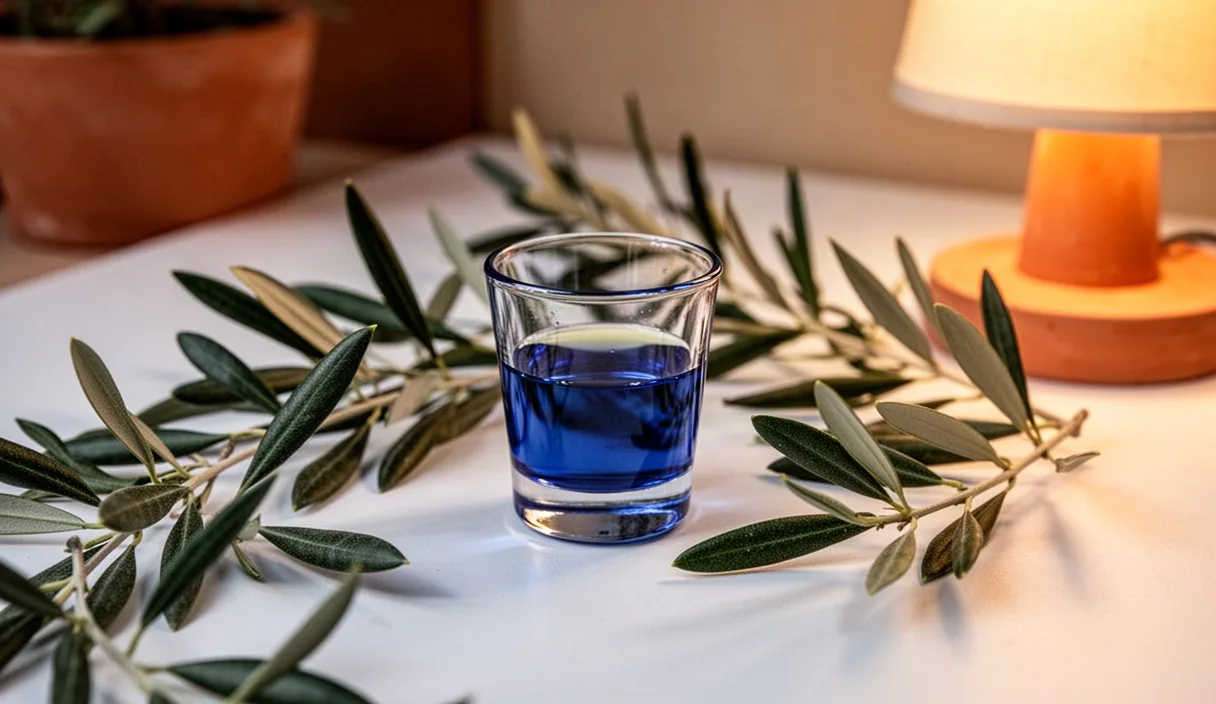

Most home cooks judge extra virgin olive oil by its price tag, the design of its label, or the shade of green in the bottle. Unfortunately, none of those markers reliably indicate what is happening inside the glass. A bright emerald hue can come from chlorophyll additives or late-season leaves crushed into the press, while a high price often reflects distribution markups and custom bottle molding rather than sound agricultural practices.
Tasting olive oil with intention strips away marketing assumptions. Once you understand the physical and chemical indicators of freshness, you can evaluate any bottle within ninety seconds. Professional tasters follow strict international protocols established by the International Olive Council, but you do not need a commercial laboratory to separate vibrant, nutrient-rich oil from an oxidized bottle that belongs nowhere near your dinner.
The Three Positive Attributes: Fruitiness, Bitterness, Pungency
Every genuine extra virgin olive oil must display three specific positive attributes defined by sensory science: fruitiness, bitterness, and pungency. If an oil lacks any one of these three characteristics, official tasting panels will not classify it as extra virgin grade, even if it carries no outright defects. These three traits are direct sensory evidence of healthy olives picked at the proper maturity and milled under strict temperature controls.
Fruitiness refers to the aroma and flavor of healthy, fresh olive fruit. It divides into two broad categories: green fruitiness and ripe fruitiness. Green fruitiness recalls cut lawn grass, tomato leaves, green artichoke, or unpeeled green apples. Ripe fruitiness leans toward softer notes such as yellow banana, butter, red apples, and floral tones. The presence of clear fruit notes tells you that the fruit was pressed promptly after harvest rather than sitting in storage yards to decompose.
Bitterness and pungency are frequently misunderstood by consumers as signs of spoilage, yet both indicate the presence of phenolic compounds, specifically oleuropein and oleocanthal. Bitterness is perceived on the sides and back of the tongue, similar to the bite of endive, radicchio, or high-cocoa dark chocolate. Pungency is a tactile, peppery sensation felt strictly in the back of the throat, often provoking a distinct tickle or a cough. In certified tasting panels, a "two-cough oil" is not an insult; it is a recognition of high antioxidant concentration.
| Attribute | Sensory Profile | Chemical Driver |
|---|---|---|
| Fruitiness | Grass, tomato stem, green almond, ripe apple | Volatile aldehydes and esters |
| Bitterness | Radicchio, dark cocoa, walnut skin | Oleuropein and related polyphenols |
| Pungency | Peppery burn, prickle in the throat | Oleocanthal |
The Warming Cup Technique for Home Tasters
Professional sensory panels use cobalt blue glasses to obscure the oil color, preventing visual bias from influencing the score. At home, you can use a small, tulip-shaped wine glass, a stemless cordial glass, or a ceramic espresso cup. Never taste olive oil directly from a spoon or off a piece of bread if your goal is diagnostic evaluation. Bread introduces starches, salt, and yeast notes that mask underlying sensory defects.
The human palate detects aromatics primarily through the olfactory bulb via body temperature vapor. Follow this step-by-step sequence to properly set up your sample:
- Measure the sample: Pour roughly 15 milliliters (one tablespoon) of oil into your glass.
- Warm the vessel: Cup the bottom of the glass in the palm of one hand to transfer body heat, bringing the liquid close to 28 degrees Celsius (82 degrees Fahrenheit). Cover the top of the glass completely with your other hand to trap the evaporating volatiles.
- Swirl the oil: Keep the glass sealed with your palm and gently swirl the liquid for roughly 45 seconds to coat the interior walls and maximize the surface area.
- Inhale deeply: Remove your top hand and immediately bring the rim to your nose. Take two short, deep breaths. Note whether you smell green vegetation, sweet fruit, or stagnant odors.
- Slurp and aerate: Take a small sip of oil (roughly half a teaspoon), but do not swallow yet. Draw air sharply through your teeth over the oil, an Italian technique called strippaggio. This sprays the liquid across your tongue and the roof of your mouth. Roll the oil to the back of your throat, note the level of bitterness and peppery pungency, and swallow.
If you find yourself coughing after your first vigorous slurp, consider it a badge of honor. Clear your throat with room-temperature water or a slice of tart green apple before moving on to another bottle.
Common Flavor Defects: Rancidity, Fustiness, and Winey Notes
When an oil goes bad, it does not simply lose its flavor; it generates specific chemical compounds with distinct aromas. Knowing these defect profiles will keep you from putting spoiled lipids into your food. The three most common faults encountered in commercial supermarket bottles are rancidity, fustiness, and winey-vinegary notes.
Rancidity is the end product of lipid autoxidation. When triglycerides react with atmospheric oxygen, they break down into volatile aldehydes and free fatty acids, notably hexanal. Rancid oil loses all fruitiness, taking on the smell of crayons, putty, stale walnut meats, or an old lipstick roll. The mouthfeel becomes greasy, leaving a heavy film on the tongue rather than washing away clean.
Fustiness occurs before pressing, caused by anaerobic fermentation when harvested olives are piled high in bins, trailers, or bags for several days. Without adequate air circulation, microorganisms like Pseudomonas and yeasts flourish, digesting the fruit flesh. Fusty oil smells like sweaty gym socks, compost heaps, humid potting soil, or a damp cellar. It is remarkably common in cheap blends sourced from multiple bulk brokers.
Winey-vinegary defects stem from aerobic fermentation of damaged olives, creating high levels of acetic acid, ethyl acetate, and ethanol. This gives the liquid an unmistakable scent of cheap wine, sherry vinegar, or fingernail polish remover. Another frequent defect is muddy sediment, which smells like sewer gas or stagnant pond water, created when finished oil sits on residual olive paste sludge inside an uncleaned storage tank.
| Defect Name | Identifiable Odor | Root Cause in Production |
|---|---|---|
| Rancidity | Crayons, petroleum jelly, old walnuts | Exposure to oxygen, heat, or ambient light |
| Fustiness | Sweaty clothes, decaying compost, humid mulch | Anaerobic fermentation of piled olives before milling |
| Winey / Vinegary | Nail polish remover, sour beer, vinegar | Aerobic fermentation producing acetic acid and ethyl acetate |
| Muddy Sediment | Stagnant water, decomposing matter | Prolonged contact with lees at the bottom of holding tanks |
Reading the Label: Harvest Dates versus Expiry Dates
The label on an olive oil bottle contains practical clues if you know which terms are regulated and which are pure decoration. Marketing phrases like "cold-pressed" or "first press" are largely historical relics; modern extra virgin oil is extracted using continuous centrifugal decanters rather than hydraulic presses, keeping temperatures strictly under 27 degrees Celsius by definition.
The single most important piece of data on any bottle is the harvest date. Olives are harvested once per year in any given hemisphere, typically between October and January in the Mediterranean and California, and between April and June in South America and Australia. An expiry date or "best by" date is set by the bottler, often pegged to 18 or 24 months from the day the oil was transferred into the glass, not the day the olive came off the tree. An oil could sit in a storage vat for two years, get bottled, and receive a two-year expiry stamp, leaving you with four-year-old inventory.
Always inspect the geographical origin statement. Vague phrases like "Packed in Italy" frequently disguise bulk blends of low-grade oil shipped from Greece, Tunisia, and Spain, processed through Italian shipping ports. Look for single-estate provenance, specific regional designations (such as DOP in Italy, PDO in Greece, or California Olive Oil Council seals), and an explicit harvest year. If a label reports chemical metrics, look for Free Fatty Acidity (FFA) below 0.3 percent (the legal extra virgin cap is 0.8 percent) and polyphenol counts above 250 milligrams per kilogram.
Dark Glass, Cans, and Protection Against Photo-Oxidation
Light is the fastest killer of extra virgin olive oil quality. Olive oil contains high concentrations of chlorophyll. In the presence of sunlight or ultraviolet retail fluorescent lighting, chlorophyll stops behaving as a protective compound and acts as a photo-sensitizer, exciting oxygen molecules into reactive singlet oxygen. This process, known as photo-oxidation, degrades fatty acids up to thirty thousand times faster than thermal oxidation in the dark.
Never purchase extra virgin olive oil packaged in clear transparent glass or clear plastic. By the time a clear bottle sits under bright grocery store lighting for six weeks, its delicate top-note aromas vanish and rancidity begins. Seek out these superior packaging materials:
- Dark amber or ultraviolet glass: Blocks the transmission of light across the critical 300 to 500 nanometer spectrum. Dark green glass offers moderate defense, but amber and violet glass provide the highest barrier properties.
- Tin-plated steel cans: Offer a zero-light environment. Tin containers are ideal for larger purchases, provided the internal lining is food-grade to prevent metal migration.
- Bag-in-box systems: Similar to boxed wine, these use an internal metallized bladder that collapses as you dispense oil. This blocks light entirely and prevents oxygen from entering the headspace as the volume drops.
Once you bring oil home, keep it in a cool, dark cabinet between 14 and 18 degrees Celsius (57 to 64 degrees Fahrenheit). Do not store your cooking oil on the counter directly next to the cooktop or on a shelf over the oven, where ambient heat accelerates the natural breakdown of polyphenols.
Matching Delicate versus Robust Oils to Specific Foods
Olive oil is not a monolithic cooking fat; treat it like wine. Using an intensely bitter, peppery early-harvest oil on a subtle white fish will completely overwhelm the dish. Conversely, drizzling a buttery, mild oil over a grilled ribeye steak will render the oil undetectable against the char of the meat.
Delicate oils are pressed from later-harvest fruit or naturally mild cultivars like Arbequina, Mission, or Taggiasca. They show soft ripe-apple and almond notes with minimal bitterness and almost no throat burn. Medium oils, often made from olives like Frantoio, Hojiblanca, or Koroneiki, balance crisp green herbaceousness with moderate pepper. Robust oils, produced from early-harvest varieties like Picual, Coratina, or Moraiolo, deliver sharp bitterness, intense cut-grass aromatics, and a powerful peppery finish.
| Intensity Profile | Common Cultivars | Ideal Culinary Pairings |
|---|---|---|
| Delicate | Arbequina, Taggiasca, Leccino | Poached white fish, citrus salads, baking, mayonnaise |
| Medium | Frantoio, Hojiblanca, Koroneiki | Roasted vegetables, grain bowls, roast chicken, tomato soup |
| Robust | Picual, Coratina, Moraiolo | Grilled red meat, bitter greens, hearty legume stews, aged cheeses |
For everyday sautéing, a balanced medium-intensity oil provides adequate heat stability while carrying enough polyphenols to resist thermal breakdown. Save your highest-polyphenol robust bottles for finishing raw across hot foods, where the heat of the plate releases fresh volatile aromas directly into the air.
Common Mistakes
Even conscientious home cooks fall into habits that degrade high-quality oils before they reach the table. Watch out for these operational pitfalls:
- Hoarding the bottle: Unlike fine red wine, extra virgin olive oil does not improve with age. It is at its peak the day it is pressed and declines steadily thereafter. Use your opened bottles within thirty to sixty days.
- Pouring into clear decorative cruets: Decanting olive oil into a clear glass bottle with a pour spout sits on your counter inviting both continuous light exposure and fresh oxygen through the unsealed opening. Keep the oil in its original dark container.
- Using color to gauge flavor: A rich green color does not indicate higher quality or richer flavor than a golden-yellow oil. Cultivar, tree genetics, and filtration practices dictate color, not quality grade.
- Leaving high headspace: Storing a bottle with only 50 milliliters of oil remaining in a 750-milliliter container leaves 700 milliliters of oxygen trapped inside. Transfer leftover oil to a smaller dark glass bottle to limit the air-to-liquid boundary.
Your Tasting Protocol Checklist
To audit your kitchen pantry today, gather every bottle of olive oil you currently own. Pour a single tablespoon of each into separate small glasses, without bread or seasonings on hand.
Warm the base of each glass with your palm, take note of the aroma, and perform the slurp test. Check for the three mandatory positive markers: fresh fruitiness, tongue bitterness, and a peppery kick in your throat. If any sample reminds you of crayons, damp earth, or stale wine, remove it from your cooking rotation. Take note of the harvest dates on your successful bottles, store them in a dark cupboard far from your burners, and plan to consume them while the fruit is vibrant.